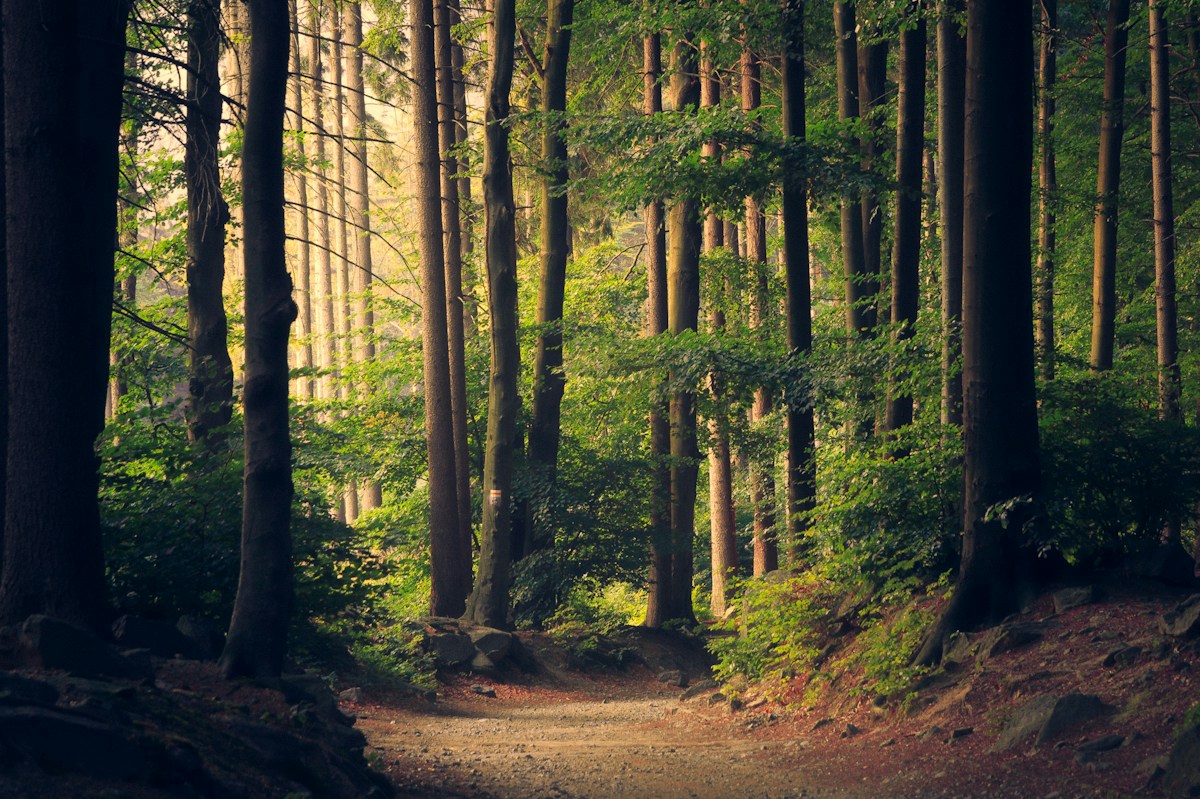
<p>The active compounds in forest air — phytoncides, volatile organic compounds released by trees — have measurable effects on the human immune system. A two-hour walk in a forest increases natural killer cell activity by up to 50%, and the effect lasts for a week.</p><p>But the physiological benefits are only part of the picture. The psychological restoration theory, developed by Rachel and Stephen Kaplan at the University of Michigan, describes how natural environments restore directed attention capacity — the cognitive resource most depleted by urban and digital life.</p><p>The best forest bathing programmes are guided, slow, and sensory. They involve specific practices: attending to sound, smell, texture, temperature. The guide's role is to slow the participant down enough that the forest can do its work.</p>
Tell AIVANA how you feel. The AI finds the exact programme.